Drucker Institute’s Data Innovation Team: April 2026 Edition
What We’re Learning About Employee Engagement and Why Theories Need To Play Well Together
By Dana Bellinger of the Data Innovation Team at The Drucker Institute.
Most leaders know when employee engagement is slipping. They see it in lower energy, weaker performance, and rising turnover. What they lack is a clear way to diagnose why. Is it burnout, a breakdown in trust, too few resources, or a loss of meaning? Today’s tools rarely provide a clear answer, and that is the problem.
Organizations track engagement from multiple angles. HR teams measure workload and support, leadership teams focus on trust and culture, and surveys capture motivation, purpose, and autonomy. Each lens reflects something real, but they are rarely connected. The result is fragmented insight. Leaders see symptoms instead of causes and respond to isolated problems rather than the system as a whole.
Our research starts from a simple premise:
No single model explains employee engagement on its own.
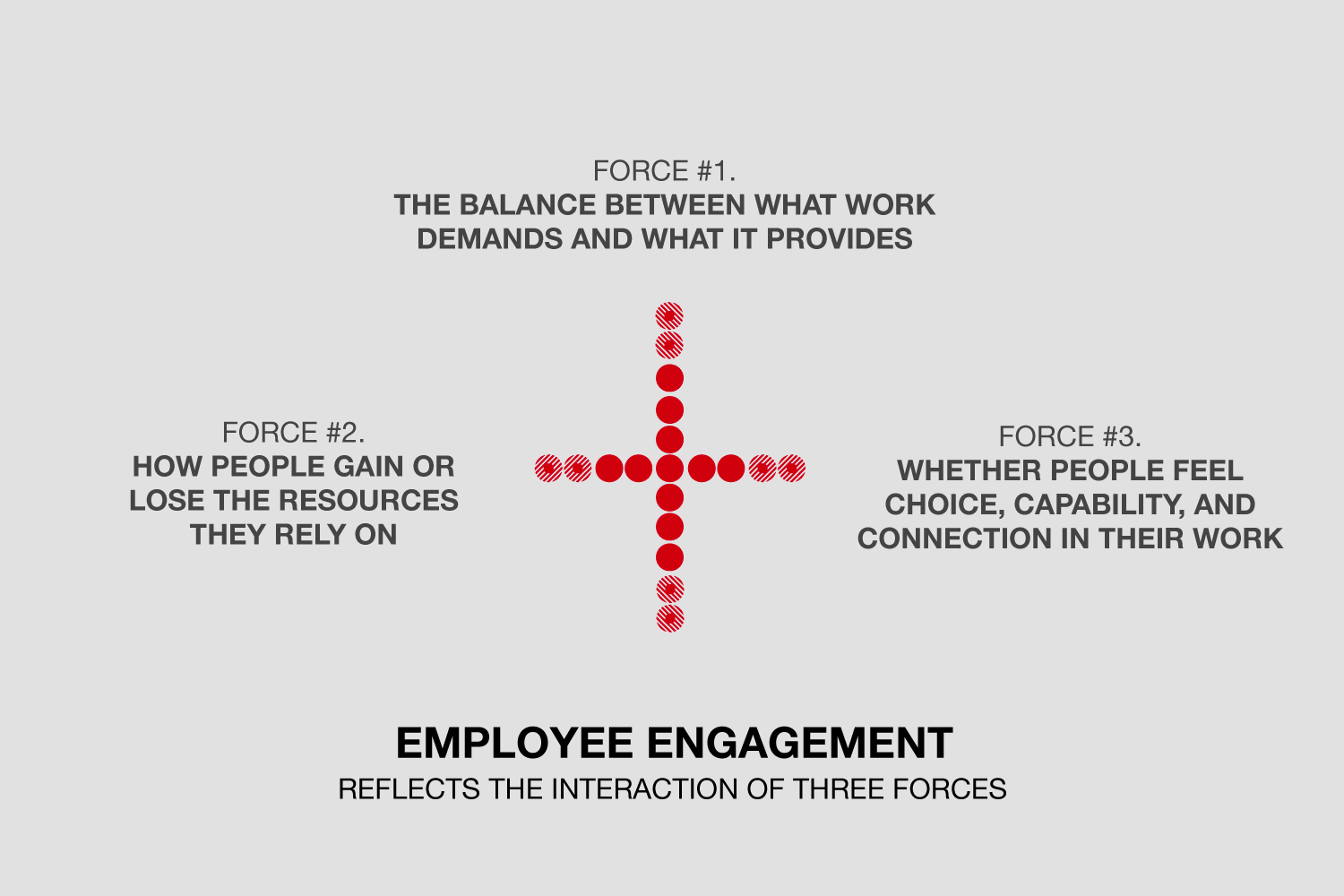
Engagement reflects the interaction of three forces. The balance between what work demands and what it provides, how people gain or lose the resources they rely on, and whether they feel choice, capability, and connection in their work. Individually, each perspective explains part of the story, but together they offer a more complete view of human performance. The goal is not to replace existing frameworks, but to understand how they work together and where they fall short on their own.
We are analyzing more than 7,500 studies on employee engagement to understand how these ideas connect in practice.
Do combined perspectives outperform single models?
First, do combined perspectives outperform single models? We expect engagement to be most stable when employees have the resources to do their work, are not losing those resources faster than they can recover, and are motivated from within rather than driven only by external pressure. When one of these breaks down, performance becomes fragile.
When do blind spots appear?
Second, when do blind spots appear? Every framework has limits. Models focused on motivation can miss burnout, while stress-based models often overlook meaning and purpose. We are identifying where relying on a single lens leads to misdiagnosis and incomplete solutions. Third, can we measure engagement more effectively? Most surveys reflect a single perspective, focusing on resources, motivation, or fairness. We are testing whether combining these signals produces clearer and more actionable insight for leaders.
This matters because fragmented theory leads to fragmented management. When different parts of an organization operate from different definitions of engagement, leaders end up solving the wrong problems or solving them in isolation. An integrated view connects culture, leadership, and performance into a single picture and helps leaders understand whether declines are driven by burnout, disconnection, or lack of motivation.
Imagine an engagement dashboard that does more than track scores. It identifies the type of breakdown: resource strain from excessive demands, relationship breakdown between teams and leaders, or motivational fatigue where work no longer feels meaningful. Instead of asking “Are we engaged?”, leaders can ask “What is failing, and where?”
Employee engagement is no longer a static measure. It is dynamic, shaped by constant change in work, leadership, and expectations. Understanding what works is no longer enough. Leaders need to understand why it works and how different forces interact over time. That is what integration makes possible.
In our May edition, we will examine how customer satisfaction is evolving in a digital environment and how engagement is becoming an ongoing relationship rather than a single outcome.
"People are the organization."
That conviction sits at the center of the research agenda we are launching this year. Peter Drucker taught that productivity is not simply the responsibility of the worker. It is a function of how organizations manage, measure, and support the people who do the work.
At the Drucker Institute’s Data Innovation Team, we are translating that insight into rigorous, actionable research. Our central aim is to understand how employee signals move over time, what they reveal about organizational health, and how they relate to financial outcomes.
Over the coming year, we will publish a series of short monthly pieces that pull back the curtain on our projects. Our purpose is straightforward. We want to make the best social science methods useful for leaders and boards so they can make clearer, evidence-based decisions about people and performance.
Read this original essay for a snapshot of the research agenda guiding our first major wave of work.
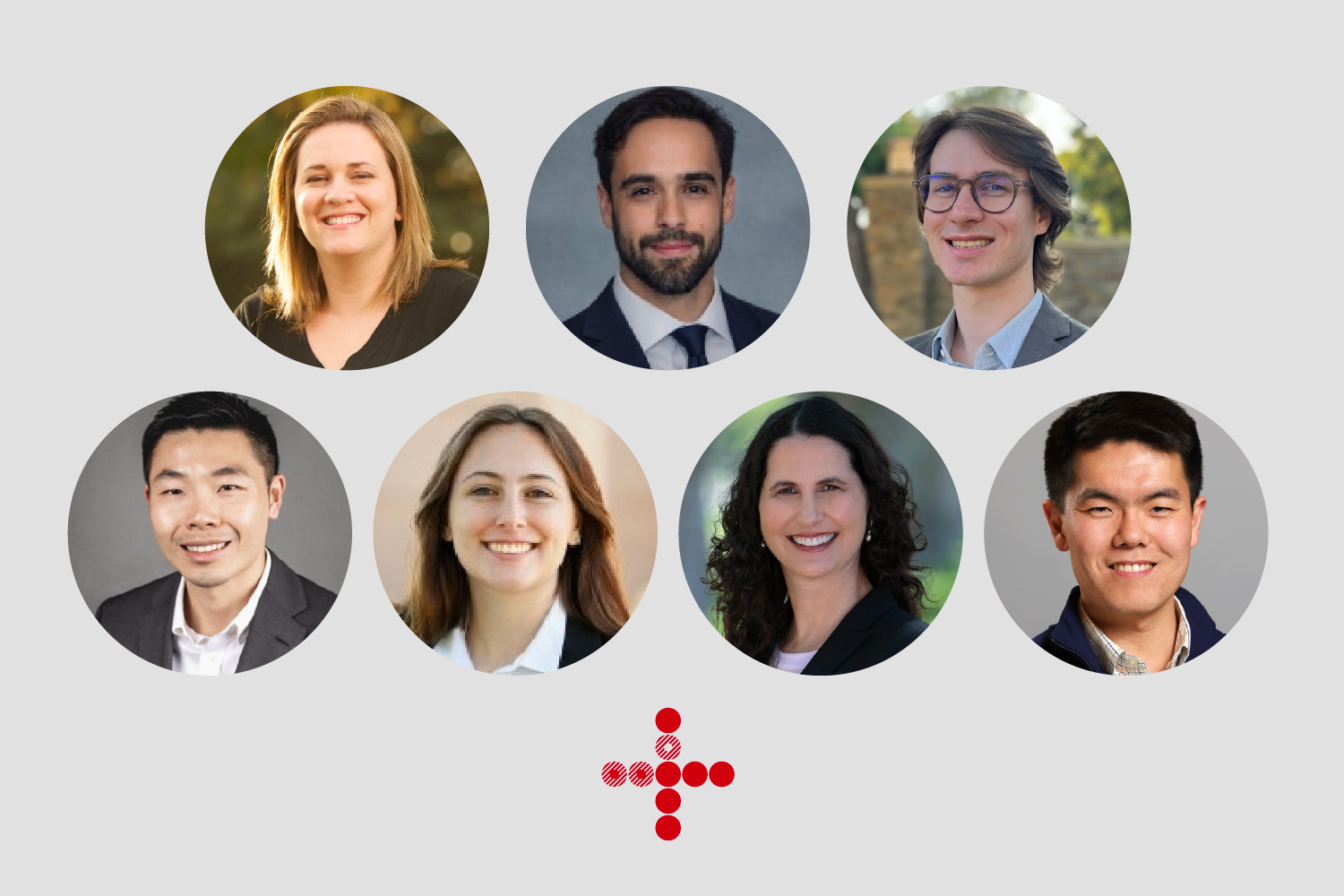
The Drucker Institute’s Data Innovation Team
Who Is Doing the Work
This effort reflects a genuinely cross disciplinary team.
Becky Reichard leads the conceptual framework and literature integration.
Daniel Martin coordinates data engineering and model implementation.
Chasen Jeffries is developing the fatal flaw framing.
Xu Chen leads the topic modeling and validation pipelines.
Dana Bellinger is writing the employee engagement methodology.
Emily Alpay De Ruyter is leading the financial performance modeling.
Steven Zhou provides consultation on quantitative methods and psychometrics.
See the full team on the Drucker Institute website.
Together, this mix of scholars, data scientists, and practitioners forms the engine required to translate rigorous research into practical insight.
At the Drucker Institute, we believe that what gets measured shapes what gets managed. If people are the organization, then understanding employee signals with clarity and discipline is not a side project. It is central to the work of building effective, responsible, and enduring enterprises.
Most-Effective Companies - Annual Rankings
Learn more about one of the initiatives being produced by the Data Innovation Team.
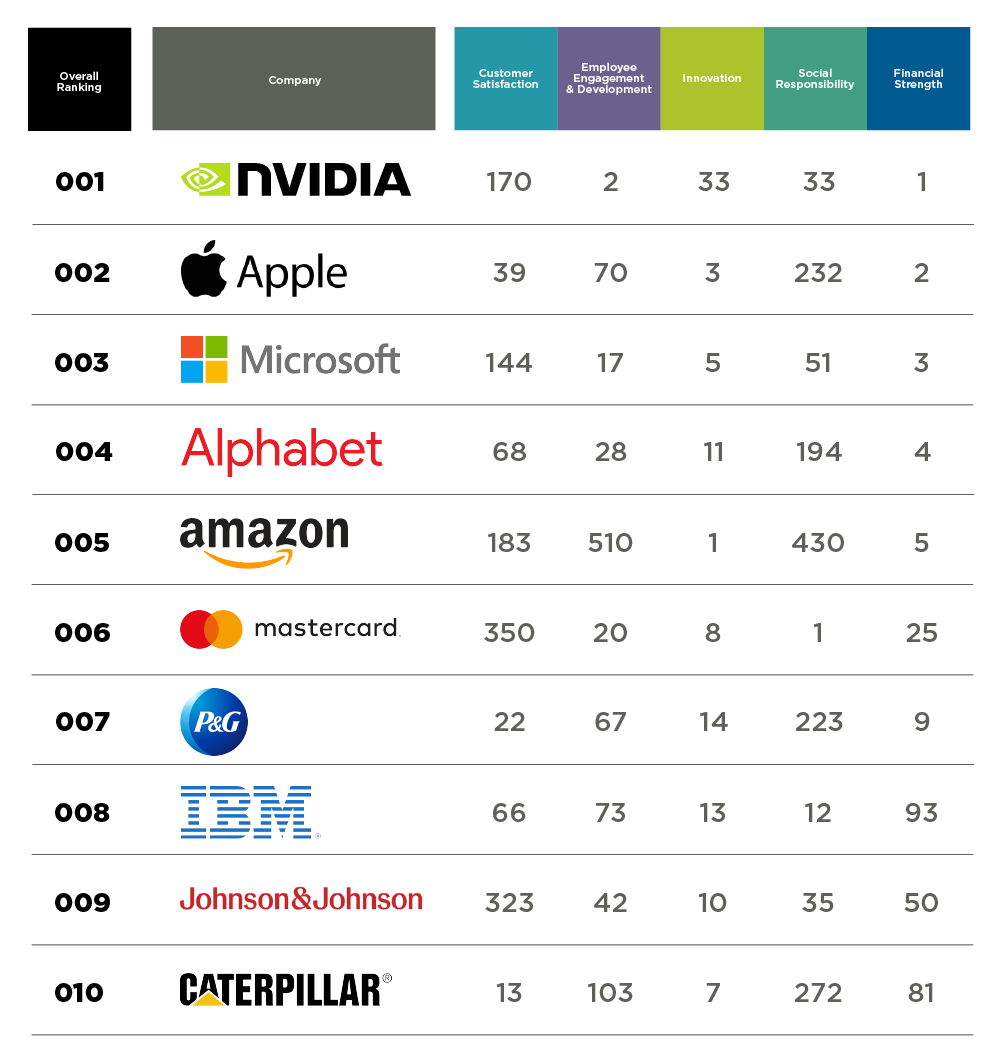
The Drucker Institute’s ranking model highlights America’s top 250 publicly-traded companies who are “Doing The Right Things Well” - based on their ‘Effectiveness’ and their ability to contribute to a ‘Functioning Society’ according to Drucker’s five key dimensions.
The 2025 ranking launched publicly on December 8, 2025.
Inspired by Drucker’s wisdom?
Peter Drucker changed how the world thinks about management.
The Drucker School of Management applies those ideas today through its graduate education, research, and community engagement. Learn more about how they carry forward his vision.
The Drucker Institute promotes effective management and responsible leadership as foundational elements that contribute to Drucker’s vision for a thriving, resilient, and functioning society.