People are the organization.
Drucker Institute’s Data Innovation Team: May 2026 Edition
Why Customers Keep Coming Back: The Real Driver of Engagement in the Digital Age
By Emily De Ruyter of the Data Innovation Team at The Drucker Institute.
Which app do you open every day?
Whether it is Starbucks for ordering your usual drink, TikTok for scrolling endlessly through videos, Tesla for monitoring your energy use, or Amazon for tracking orders, these habits reveal something important. Customers do not just use brands; they engage with them. This engagement is no accident. It is engineered.
Today’s customers have more choices, more channels, and more control than ever. Ongoing customer engagement is becoming one of the most important drivers of long-term organizational effectiveness.
Peter Drucker argued that the purpose of a business is to create and keep a customer. In today’s digital economy, keeping a customer increasingly depends on sustained engagement rather than one-time transactions.
As part of the Drucker Institute’s broader work on organizational effectiveness, the Data Innovation Team studies how customer engagement connects to long-term performance across industries. This research helps inform the Institute’s management framework, including the customer satisfaction dimension of its annual ranking of America’s Best Managed Companies.
“The purpose of a business is to create and keep a customer.”
For companies, this means building a digital strategy that gives customers a reason to return. Customers come back because they enjoy interacting with their preferred brand. Over time, those interactions become part of their routine. Starbucks, for example, drives this through personalization, rewards, and member-only benefits such as early access to new drinks, turning a simple coffee purchase into a habit customers look forward to. Consumers begin to see these brands and products as an extension of who they are. It is about a relationship, not a one-time interaction.
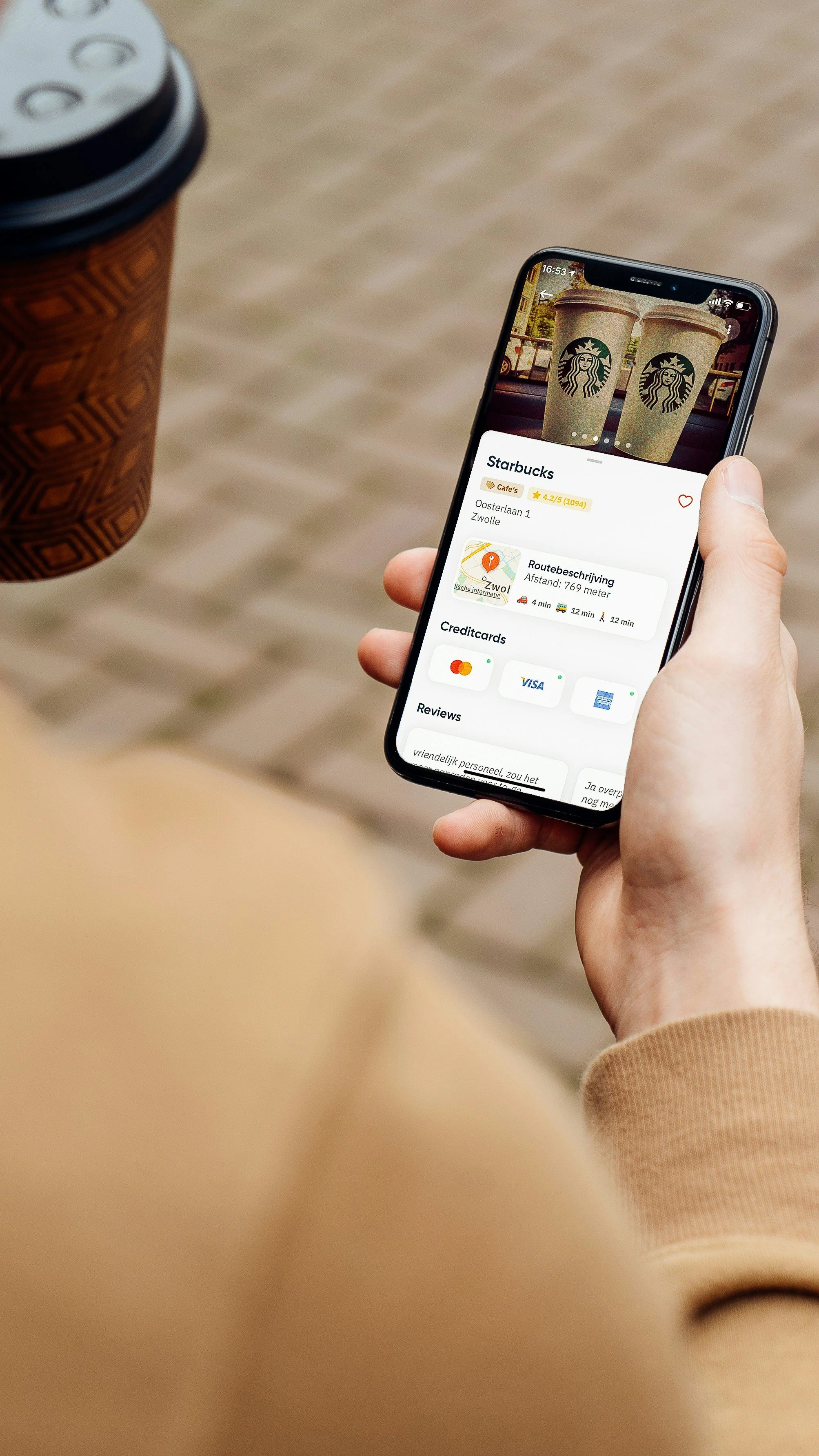

Participatory apps are a powerful way to drive customer engagement. The most effective platforms get customers thinking about the brand, feeling connected to it, and interacting with it regularly.
TikTok is a clear example of this, with its algorithm-driven feed and the ability for users to create and share content keeping people continuously engaged and coming back. Customer engagement is not just using something once. It is choosing to return and interact over time.
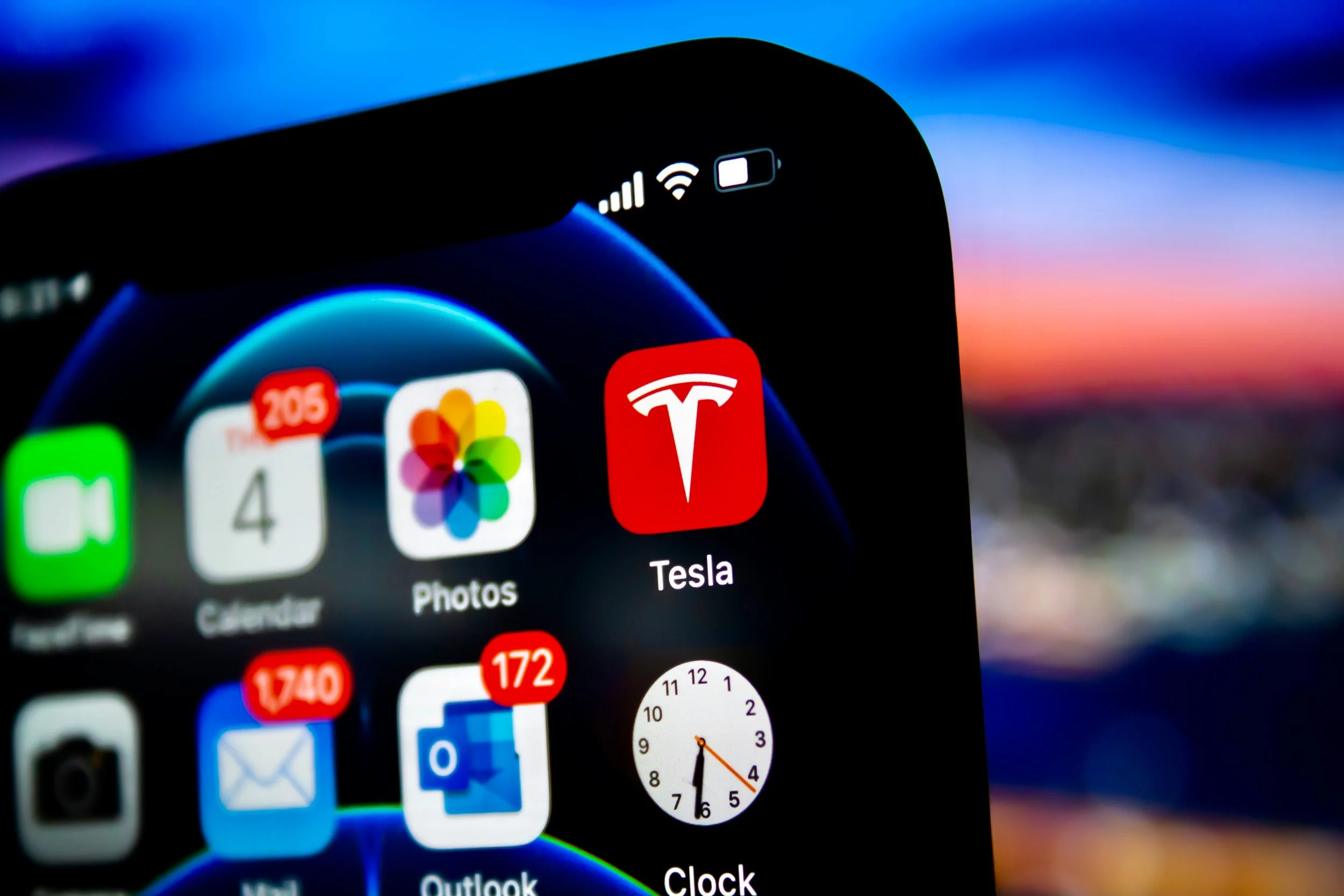
Customer engagement is often driven by social media involvement, self-brand connection, trust, and satisfaction. Customers become more involved when they care about the platform, feel that the brand represents them, and trust the experience. Tesla illustrates this well, as users monitor their solar energy production, battery storage, and home energy usage through the app, creating ongoing interaction with the brand beyond a one-time installation.
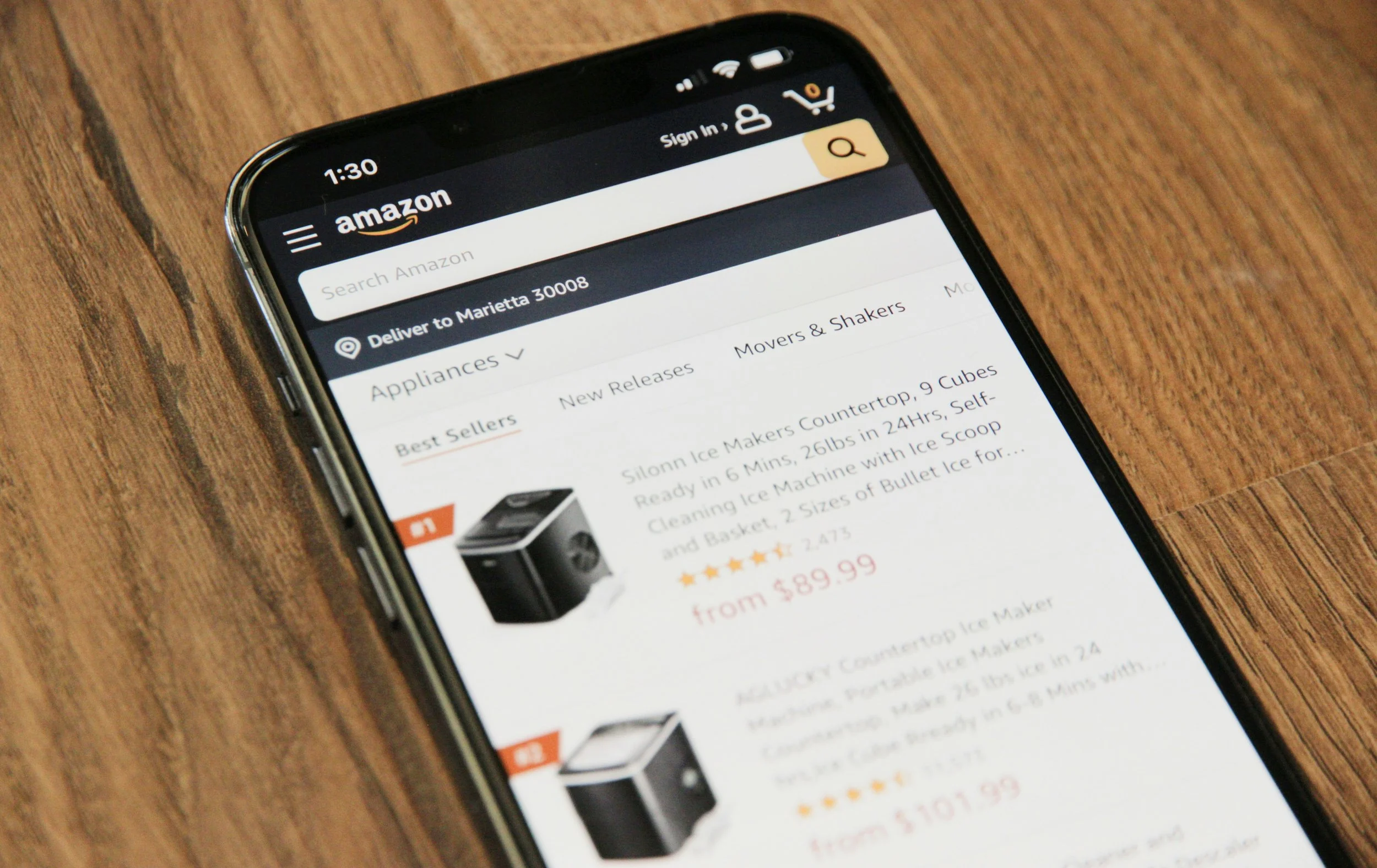
And it is paying off for companies. Customers are not only consuming; they are becoming part of the brand itself. They create content, share experiences, and influence others. Amazon customers, for instance, contribute reviews, upload photos, and receive personalized recommendations, shaping not only their own experience but also the decisions of millions of other users. Engaged customers become a brand’s evangelists, promoting it across social media and beyond.
Our research at the Drucker Institute suggests that customers increasingly want to engage with brands on their mobile phones. We interact with our phones differently than we do with desktop computers. For many people, the phone is the first thing they check in the morning. That level of access enables real-time interaction, gamification, and location-based personalization throughout the day. These interactions become embedded in daily routines. If companies want to engage customers, they need to meet them where they are, on their phones.
At the same time, digital strategy cannot exist in isolation. It needs to align with the rest of the company’s marketing efforts. Customers should receive a consistent message across print, television, email, and social media. Often, one channel should reinforce another. This consistency builds trust and strengthens loyalty. Without cross-channel coordination, companies lose engagement and the opportunity that comes with it.
Think about the app you use every day. Why do you keep going back? It is not just convenience. It is the experience and the ease of interaction. It is the way the brand fits into your life. Experiences are harder to copy and increasingly become the real source of differentiation. That is what drives repurchase intentions, word-of-mouth, and long-term loyalty. Digital engagement turns customers into participants. They do not just buy. They interact, contribute, and return time and again.
The best digital companies understand this. They do not focus solely on selling products. They focus on making interactions easy, creating enjoyable experiences, and designing those experiences to bring customers back repeatedly. Companies should design social media experiences that support participation, feedback, and community building, while ensuring these interactions connect seamlessly across marketing channels. That is what drives customer engagement.
If a company is launching a new product or trying to strengthen an existing one, the question is not just how to sell it. The real question is how to create an experience customers want to return to.
Today, the brands that win are not just the ones customers choose once. They are the ones customers choose repeatedly. Increasingly, that ability to sustain engagement may be one of the clearest indicators of long-term organizational effectiveness.
Next time, we will discuss whether firms should double down on their strengths or invest in their weaknesses to achieve the best results.
Can a fatal flaw hold back a company from achieving success?
"People are the organization."
That conviction sits at the center of the research agenda we are launching this year. Peter Drucker taught that productivity is not simply the responsibility of the worker. It is a function of how organizations manage, measure, and support the people who do the work.
At the Drucker Institute’s Data Innovation Team, we are translating that insight into rigorous, actionable research. Our central aim is to understand how employee signals move over time, what they reveal about organizational health, and how they relate to financial outcomes.
Over the coming year, we will publish a series of short monthly pieces that pull back the curtain on our projects. Our purpose is straightforward. We want to make the best social science methods useful for leaders and boards so they can make clearer, evidence-based decisions about people and performance.
Read this original essay for a snapshot of the research agenda guiding our first major wave of work.
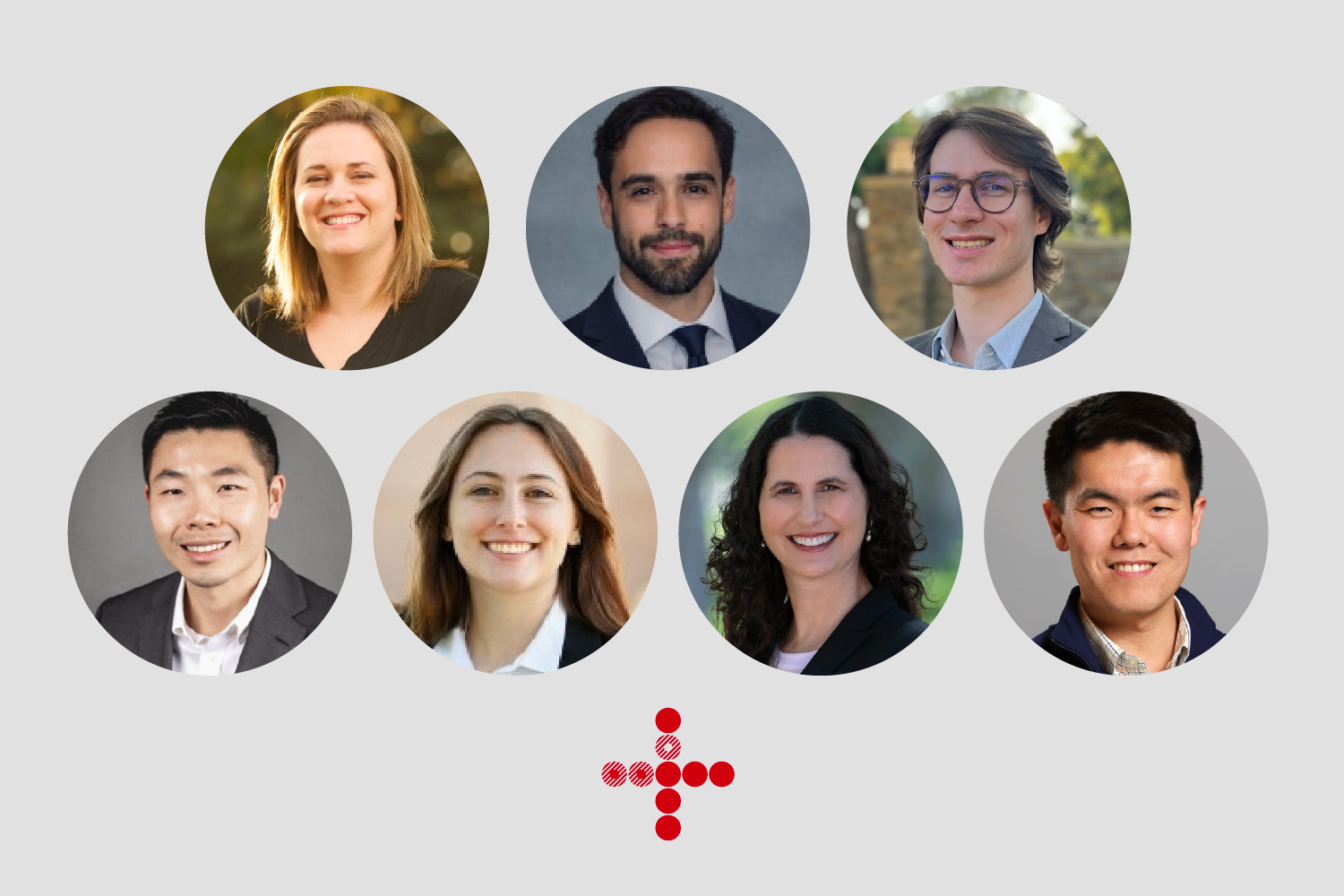
The Drucker Institute’s Data Innovation Team
Who Is Doing the Work
This effort reflects a genuinely cross disciplinary team.
Becky Reichard leads the conceptual framework and literature integration.
Daniel Martin coordinates data engineering and model implementation.
Chasen Jeffries is developing the fatal flaw framing.
Xu Chen leads the topic modeling and validation pipelines.
Dana Bellinger is writing the employee engagement methodology.
Emily Alpay De Ruyter is leading the financial performance modeling.
Steven Zhou provides consultation on quantitative methods and psychometrics.
See the full team on the Drucker Institute website.
Together, this mix of scholars, data scientists, and practitioners forms the engine required to translate rigorous research into practical insight.
At the Drucker Institute, we believe that what gets measured shapes what gets managed. If people are the organization, then understanding employee signals with clarity and discipline is not a side project. It is central to the work of building effective, responsible, and enduring enterprises.
Most-Effective Companies - Annual Rankings
Learn more about one of the initiatives being produced by the Data Innovation Team.
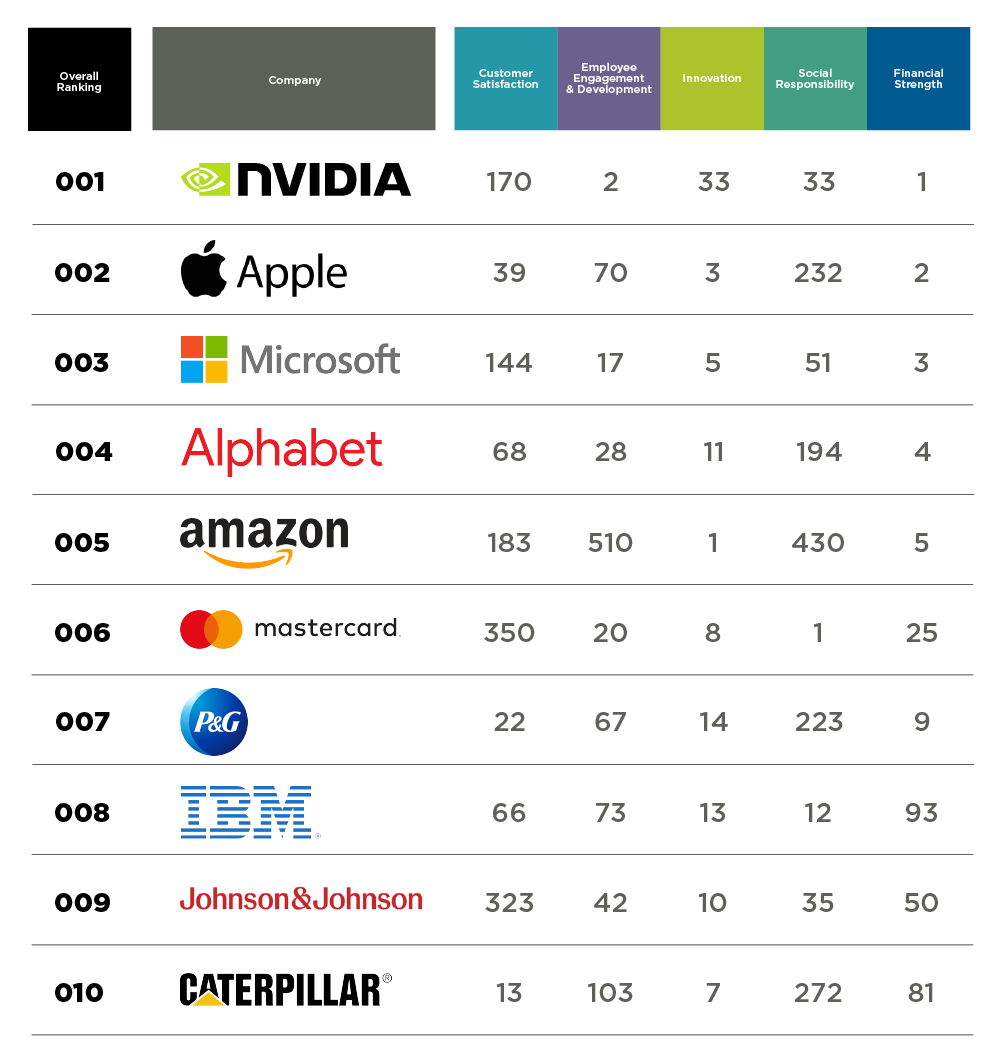
The Drucker Institute’s ranking model highlights America’s top 250 publicly-traded companies who are “Doing The Right Things Well” - based on their ‘Effectiveness’ and their ability to contribute to a ‘Functioning Society’ according to Drucker’s five key dimensions.
The 2025 ranking launched publicly on December 8, 2025.
Inspired by Drucker’s wisdom?
Peter Drucker changed how the world thinks about management.
The Drucker School of Management applies those ideas today through its graduate education, research, and community engagement. Learn more about how they carry forward his vision.
The Drucker Institute promotes effective management and responsible leadership as foundational elements that contribute to Drucker’s vision for a thriving, resilient, and functioning society.