Responsible Management and Moral Standards
Peter F. Drucker, 2000
From the Archive
Video preface written by Drucker+ team.
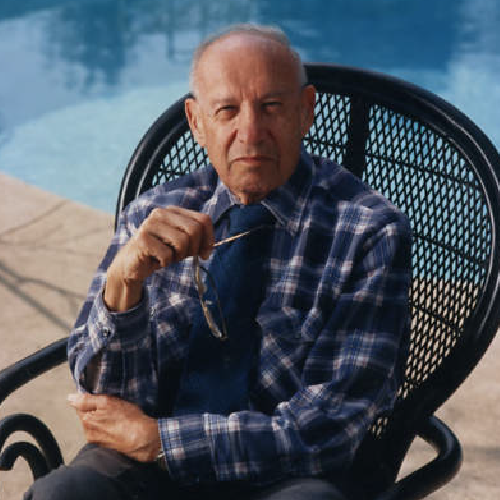
Peter F. Drucker believed that organizations, particularly the most powerful and influential corporations in a society, play a significant role in shaping the values of that society. In this clip, from an interview shot in 2000, Drucker talks about the responsibility management has in setting a moral example for employees and for society.
The Drucker Institute
The Drucker Institute is a non-profit, non-partisan research center and think tank exploring new frontiers in management theory and practice. Founded in 1999, the Institute collects and preserves the work of Peter F. Drucker, widely recognized as the “Father of Modern Management.” In collaboration with the world’s most impactful and purpose-driven public, private, and social-sector organizations, the Institute promotes responsible leadership and effective management as foundational elements that contribute to Drucker’s vision for a functioning society.
Inspired by Drucker’s wisdom?
Peter Drucker changed how the world thinks about management.
The Drucker School of Management applies those ideas today through its graduate education, research, and community engagement. Learn more about how they carry forward his vision.
The Drucker Institute promotes effective management and responsible leadership as foundational elements that contribute to Drucker’s vision for a thriving, resilient, and functioning society.